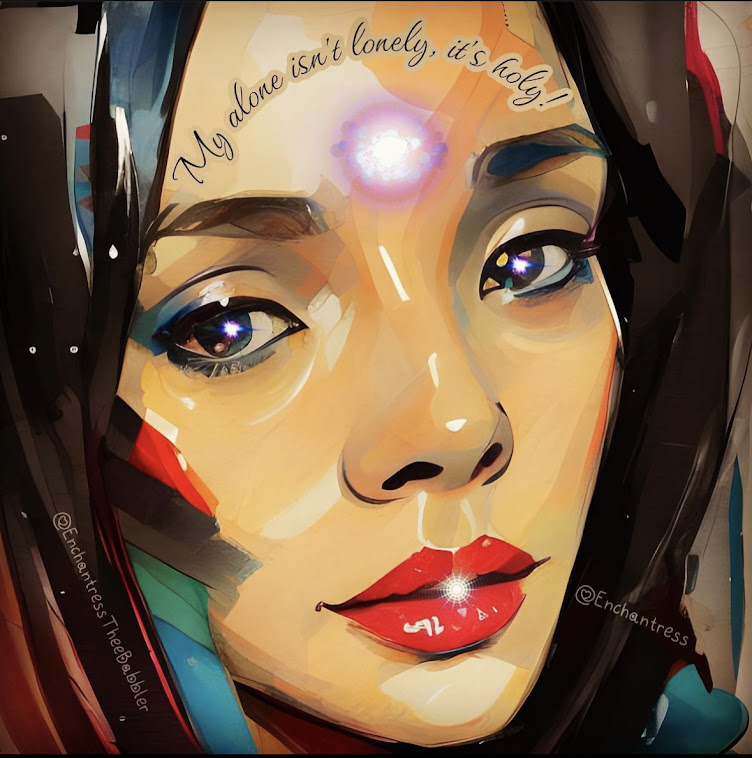


The Fairy Queen or Queen of the Fairies was a figure from English folklore who was believed to rule thefairies. Based on Shakespeare's influence, she is often named as Titaniaor Mab. In Irish folklore, the last High Queen of the Daoine Sidhe - and wife of the High King Finvarra - was named Oona (or Oonagh, or Una, or Uonaidh etc.). In the ballad tradition of Northern England and Lowland Scotland, she was called the Queen of Elphame.

- At the end of seven years

She pays a tithe to Hell
I so fair and full of flesh
I fear it be myself
Both Edmund Spenser and William Shakespeare used folklore concerning the Fairy Queen to create characters and poetry, Spenser in The Faerie Queene and Shakespeare most notably in A Midsummer Night's Dream. In the Faerie Queene, Spencer's fairy queen is named Tanaquill, and is revealed to be the descendant of Shakespeare's Titania.

http://en.m.wikipedia.org/wiki/Fairy_Queen

Patricia Monaghan tells us that Oona (pronounced OO-nuh) was “the most beautiful of Ireland’s fairy queens. She was said to have golden hair so long it swept the ground; She flew through the earth robed in gossamer silver bejeweled with dew. Oona lived with the fairy king Finnvara [High King of the Daoine Sidhe] who was constanly unfaithful to Her with mortal women; She retained, nonetheless, an even, benevolent termperament” (p. 239 – 240).

Manifestation: Oonagh is described as so beautiful that no one (at least no mortal) can look at Her without being awed and amazed.

https://journeyingtothegoddess.wordpress.com/tag/tuatha-de-danaan/





No comments:
Post a Comment